
You are using an out of date browser. It may not display this or other websites correctly.
You should upgrade or use an alternative browser.
You should upgrade or use an alternative browser.
Insulating a single skin brick wall
- Thread starter Timmyk86
- Start date
-
- Tags
- brick wall insulation
Is there no issue regarding moisture working it's way from the outside of the wall, to the inside, and into the void ?
You'd think they'd be able to solve this issue relatively easy.
You'd think they'd be able to solve this issue relatively easy.
Best not to ask about regs. The build was a horrendous experience and to this day I regret doing it. Nonetheless, it did pass regs and I have the certificate for it.Is it literally a single layer of brick or a solid wall made up of two leaves of bricks?
If the first one, yes it will be susceptible to water ingress, but only under certain conditions, have you had any issues with this?
One would wonder how that conversion got past building regs.
Rendering or sealing the outside wall would help.
It is a single layer of bricks. Only half of that small bit of wall actually faces the elements - the other half is to the next door loft. Re moisture - never noticed the brick being wet, but have had this salty fluff come through which occasionally I need to vacuum up. It’s just a really cold wall in the winter.
Sealing the wall from the outside basically isn’t an option- I couldn’t get to it. I could of course seal it on the inside - what effect would that have on the bricks themselves?
No sign of damp. Wall is in good condition As mentioned only a small part actually faces the elements.You’re not currently seeing any signs of damp, right? I think the important thing is to keep the outside in good condition, i.e. maintain the guttering, re-point if necessary, maintain any render etc.
Sealing the foil-faced insulation boards with foil tape is supposed to address this. It looks like it’s a large single area without holes for electricals or other complications, so you should be able to do this efficiently. BTW people generally prefer putting up insulation boards and then plasterboard over the top separately, rather than using insulated plasterboard.
sadly not! That is the case for the rest of the house though.The brick pattern, suggest that is a double brick wall, with no cavity.
Appreciate everyone’s replies and helping me sort this PITA problem.
Why don't you just try one of these breathable insulating plasters, they probably don't work but it would be a good experiment for the rest of us.
Notwithstanding the insulation aspect the main issue/worry appears to be moisture occurring due to warm air condensing on the cold brick inner surface or moisture coming through the bricks. If you fixed a single piece of polythene on the exposed wall with battens then although moisture could come through the bricks from the outside (only on the exposed section) it could not travel any further and, unless you have torrents of water coming through, would reside in the bricks and dry out in warmer/drier weather (bit like a brick wall does when rained on). Without any insulation moisture carrying internal warm air would condense on the plastic sheeting, putting up insulated foil backed plasterboard would prevent any moisture laden air getting through to the surface of the plastic sheet and condensing. The main challenge is making sure that no moisture can get past the insulation and to this end as well as relying on the foil it would be prudent to fix another single piece of polythene on the battens before fixing the insulated plasterboard. Of course using battens 25mm thick adds to the encroachment into your stairwell space and may not be acceptable. The space between the battens could be infilled with insulation and normal plasterboard used for the external surface although this approach would give a lesser U value, but if you kept insulated plasterboard it will give you a higher U value.
I attach pics of something similar I did in my bedroom a couple of years ago although my wall was one brick thick non cavity but was not to concerned about external moisture coming in and the insulated board was not foil backed. Whatever you do its a leap of faith I guess, good luck
I attach pics of something similar I did in my bedroom a couple of years ago although my wall was one brick thick non cavity but was not to concerned about external moisture coming in and the insulated board was not foil backed. Whatever you do its a leap of faith I guess, good luck
Attachments
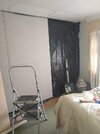
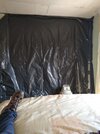

If you were to inspect a brick cavity wall, would you find moisture, droplets on the brick surfaces? If not, why not just dot and dab your insulated plasterboard and vent it to outside??
- Joined
- 7 Sep 2022
- Messages
- 4,931
- Reaction score
- 1,437
- Country

Insulate the other side? (EWI?)
Costa a fortune
- Joined
- 7 Sep 2022
- Messages
- 4,931
- Reaction score
- 1,437
- Country
I don't see why it should, particularly inside the loft part as it's just glueing insulation to the wall there..
..but you'd also be looking at an elevated cost for some high performance (eg aerogel) insulation on the inside
End of the day you have a problem you want to solve that is subject to atypical constraints, and that costs an atypical premium.
..but you'd also be looking at an elevated cost for some high performance (eg aerogel) insulation on the inside
End of the day you have a problem you want to solve that is subject to atypical constraints, and that costs an atypical premium.
What about using a breathable brick sealer to the inside of the bricks, then fixing aerogel backed plasterboard directly to the brick (or with small battens first)? Pretty sure I can get it airtight on the inside.
Access to the outside wall to render it would be basically impossible
Access to the outside wall to render it would be basically impossible
I'm pretty surprised that the wall above the green line isn't wet, and that the wall below the line isn't damp, and that the other side of it (in your neighbours loft) isn't damp. Those bricks must be good.
You could try tanking internally down to the roof abutment but then you're left with water penetrating into the party wall below - I know people mock it but maybe some of that DPC cream injected level with and one course above the stepped flashing from your side of the wall.
For insulation, foam on whatever thickness of PIR backed plasterboard you can fit.

You could try tanking internally down to the roof abutment but then you're left with water penetrating into the party wall below - I know people mock it but maybe some of that DPC cream injected level with and one course above the stepped flashing from your side of the wall.
For insulation, foam on whatever thickness of PIR backed plasterboard you can fit.
What about using a breathable brick sealer to the inside of the bricks, then fixing aerogel backed plasterboard directly to the brick (or with small battens first)? Pretty sure I can get it airtight on the inside.
Access to the outside wall to render it would be basically impossible
You can hire a lot of exotic scaffolding for the cost of a useful amount of aerogel. Is your idea that the aerogel is breathable, unlike PIR, and so solves the supposed moisture problem?
Didn't realise it was quite that expensive! But yes, breathable and potentially avoiding a moisture/mould problem.You can hire a lot of exotic scaffolding for the cost of a useful amount of aerogel. Is your idea that the aerogel is breathable, unlike PIR, and so solves the supposed moisture problem?
What about sealing the bricks, battening the wall, using rock wool or something similar between, then a vapour barrier then plaster board?
Thanks. Definitely not wet, but as mentioned there are some salty deposits that come through occasionally. thanks for the ideas.I'm pretty surprised that the wall above the green line isn't wet, and that the wall below the line isn't damp, and that the other side of it (in your neighbours loft) isn't damp. Those bricks must be good.
You could try tanking internally down to the roof abutment but then you're left with water penetrating into the party wall below - I know people mock it but maybe some of that DPC cream injected level with and one course above the stepped flashing from your side of the wall.
For insulation, foam on whatever thickness of PIR backed plasterboard you can fit.
View attachment 383755
This would probably work pretty well for me actually. Thanks for the suggestion. I reckon I have around 5-6cm in total to work with - do the battens have to be 25mm thick or could I go thinner?Notwithstanding the insulation aspect the main issue/worry appears to be moisture occurring due to warm air condensing on the cold brick inner surface or moisture coming through the bricks. If you fixed a single piece of polythene on the exposed wall with battens then although moisture could come through the bricks from the outside (only on the exposed section) it could not travel any further and, unless you have torrents of water coming through, would reside in the bricks and dry out in warmer/drier weather (bit like a brick wall does when rained on). Without any insulation moisture carrying internal warm air would condense on the plastic sheeting, putting up insulated foil backed plasterboard would prevent any moisture laden air getting through to the surface of the plastic sheet and condensing. The main challenge is making sure that no moisture can get past the insulation and to this end as well as relying on the foil it would be prudent to fix another single piece of polythene on the battens before fixing the insulated plasterboard. Of course using battens 25mm thick adds to the encroachment into your stairwell space and may not be acceptable. The space between the battens could be infilled with insulation and normal plasterboard used for the external surface although this approach would give a lesser U value, but if you kept insulated plasterboard it will give you a higher U value.
I attach pics of something similar I did in my bedroom a couple of years ago although my wall was one brick thick non cavity but was not to concerned about external moisture coming in and the insulated board was not foil backed. Whatever you do its a leap of faith I guess, good luck
Thanks again.
Personally would not like to go thinner than 20mm but as long as you have enough screws to hold the battens and boards can't see no reason not to. I used 25mm because they were treated roofing battens, so resistant to dampness, easy to source and relatively cheapThis would probably work pretty well for me actually. Thanks for the suggestion. I reckon I have around 5-6cm in total to work with - do the battens have to be 25mm thick or could I go thinner?
Thanks again.

DIYnot Local
Staff member
If you need to find a tradesperson to get your job done, please try our local search below, or if you are doing it yourself you can find suppliers local to you.
Select the supplier or trade you require, enter your location to begin your search.
Please select a service and enter a location to continue...
Are you a trade or supplier? You can create your listing free at DIYnot Local
Similar threads
- Replies
- 0
- Views
- 4K


