• Looking for a smarter way to manage your heating this winter? We’ve been testing the new Aqara Radiator Thermostat W600 to see how quiet, accurate and easy it is to use around the home. Click here read our review.

Old lead acid batteries as a back-up during a power cut?

Joined
27 Jan 2008
Messages
27,419
Reaction score
3,310
Location
Llanfair Caereinion, Nr Welshpool
Country
United Kingdom
I have two AGM batteries which were in the car (95 Ah), no longer good enough to start it, but would run a lamp for a fair time, also two 35 Ah also AGM which were for the scooter, that is not used, and a 20 Ah brand new, in a battery pack designed to jump start, run a lamp, 300 watt 230 volt outlet, and a failed tyre pump.

The battery pack has its own charger, Walmart type, and the 35 Ah do have a 24 volt charger, but not really easy to use when batteries not on the scooter. Also, two stage chargers, but they will not auto start, one needs to press a button to start them charging.

If not used, they will fail, so better if used, I have batteries with my solar which will keep central heating and freezers running, but not lights, so considering how to use the batteries for lighting if we get a power cut, the battery pack easy, it has built in fluorescent lamp, and a 13 amp socket, but it is the other batteries, and how to use and charge them, without doing too much, as may with a bit of luck never be used.

So does anyone else use batteries for lighting with a power cut? Somewhere I also have a 150 watt inverter, and what I am wondering about is how much the inverters will use.

So ideas as to what is feasible using old batteries as back-up.
 
Last edited:
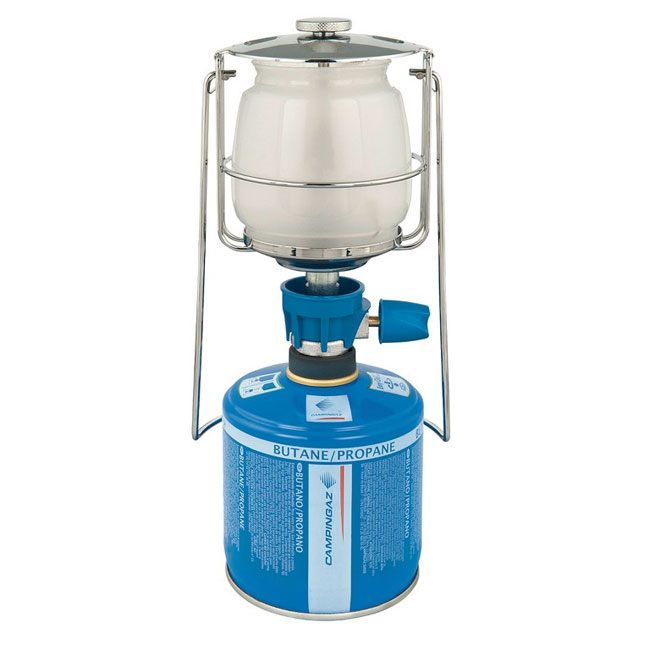
No battery charging required:

400-100-LAMPADA-A-GAS.jpg
 
So does anyone else use batteries for lighting with a power cut? Somewhere I also have a 150 watt inverter, and what I am wondering about is how much the inverters will use.
As has been said, why even think of inverters, when you can so easily use 12V (or whatever) lighting?
So ideas as to what is feasible using old batteries as back-up.
As above, 12V (or whatever) lights fed directly from batteries - and, with LEDs and the likely duration of power cuts,you probably would not need anything like as 'big' as car batteries - I have USB (or similar) charged torches and small lights that will produce light for quite a long time without being charged - and, as has been said, USB powerbanks would extend that appreciably further.
 
If I was going out to buy batteries to set up a lighting system in case of a power cut, then to use old lead acid, or even the new lead acid, would not seem a good idea, something like this
1757062000189.png
would be far better, as @flameport has pointed out. But the freezers and central heating already have battery back-up, and @morqthana has the right idea as to lighting, this
1757062195819.png
is even cheaper.

However, I have the batteries, and three are relatively new, and I seem to spend far too much time and energy stopping the batteries degrading from not being charged on a regular interval, the two for the mobility scooter I have the case open, so I can charge with a 12 volt charger, as the scooter design only allows charging on the scooter, which means whole scooter in the house. The two e-bikes I can charge the batteries off the bikes, not sure what I could do with a 36 volt and 48 volt battery, but since not lead acid, they can be left all winter without being used without any problem.

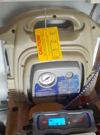
The main use of the existing lead acid battery pack, is to pump up the bike tyres, today these
1757062816083.png
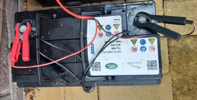
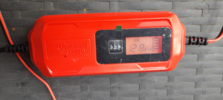
do a better job, the old battery pack 1757064751874.png now needs an external pump, so not as good, but still works, the batteries 1757064862914.png may be on their last legs, would have been used in the caravan when we had one, but will still run a light for a very long time, but I only have two chargers these work well 1757065014939.png they auto turn off at 14.4 volts, and back on at 12.8 volts, so can be left on the battery, but I am left moving these battery to battery, to keep them charged, so why not have some benefit from having the batteries?

I think these 1757065309784.png maybe the answer I am looking for, if I get a couple of clips and an in-line fuse, then the cig lighter sockets will allow a host of items to be simply plugged in, be it a light or a pump, or even connecting batteries together, that seems to be the answer.

It will allow in a power cut for me to decide what I want to do. Like power router with one battery and watch TV with the other.

Just need to do the soldering before we get a power cut.
 
I have been emptying the old garage and moving stuff into the shed, I found a collection of blow lamps, petrol, paraffin and gas. Even spare gas bottles.

But need some clips and cable as well.
 
Candles, plus saucers, and a lighter, are all that is needed. We had a few tucked away, where they have been for 20 years or more. I had in mind to seek out another box of them, and found one in a charity shop for around £1, then another box for 20p. They never go flat, never leak, never need any sort of maintenance, always there, ready to be used in an emergency. No wiring involved, no cables to trip over.

I should say, in the garage, on a shelf, I have an 80aH, 32aH, and a couple of 12aH batteries fully charged, plug the one in the car, an 120aH in the caravan, and 5x 22ah in the scooter, a 22aH in the tractor, plus a range of torches.
 
Have you ever seen an LPG BLEVE?
A few decades ago, when we were having our bulk LPG storage installed, we had a visit from a Calor 'safety inspector' (because of where we wanted to install the tank and the boiler).

He was an interesting and sensible guy, and he came with a photograph album to illustrate various things. One I remember was a photo of a 2,000 Litre LPG tank (like the one we have) under which some vandals had lit a fire. There was lengthy flame shooting out of the pressure relief valve at the top of the tank but, beyond that, no harm had been done, and nothing dramatic had happened!
 
It's when the pressure relief valve doesn't work and the tank ruptures that the problems start.
 

If you need to find a tradesperson to get your job done, please try our local search below, or if you are doing it yourself you can find suppliers local to you.

Select the supplier or trade you require, enter your location to begin your search.


Are you a trade or supplier? You can create your listing free at DIYnot Local

 
Back
Top