• Looking for a smarter way to manage your heating this winter? We’ve been testing the new Aqara Radiator Thermostat W600 to see how quiet, accurate and easy it is to use around the home. Click here read our review.

Not enough silicone?

Joined
29 Aug 2024
Messages
15
Reaction score
0
Country
United Kingdom
Hi all!

First time using silicone…

Scraped it out, cleaned with isopropyl alcohol and used dowsil with spray bottle and a finger to smooth.

However, not sure if I’ve put enough silicone on. The silicone required huge force to get it out the end of the nozzle and just wasn’t moving out smoothly like all the videos I’ve watched.

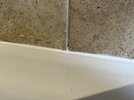
It seems to have pulled away/shrunk and there are definite gaps as it’s sealing which weren’t there originally. Any help?

Not sure if I’ve put too little? Gonna have to scrape out and start again but don’t want to keep repeating the same thing

Thanks for any advice.
John

 

Attachments

  • IMG_6528.jpeg
    IMG_6528.jpeg
    272 KB · Views: 45
  • IMG_6526.jpeg
    IMG_6526.jpeg
    272.4 KB · Views: 45
  • IMG_6529.jpeg
    IMG_6529.jpeg
    203.2 KB · Views: 47
It should not require huge force at all, there is something wrong there.

You should obviously not be getting gaps in the silicone. I'm wondering if it's a big gap between the tiles and bath that you are trying to cover? There shouldn't be a big gap between tiles and bath. It's difficult to get an idea of scale from the pics.

The height of my silicone line would usually be between 6-8 mm.

A profiling tool would help you get a better finish.
 
When a silicone gun is working correctly, it should just require a light to medium force squeeze on the trigger as you run your bead along.
 
It should not require huge force at all, there is something wrong there.

You should obviously not be getting gaps in the silicone. I'm wondering if it's a big gap between the tiles and bath that you are trying to cover? There shouldn't be a big gap between tiles and bath. It's difficult to get an idea of scale from the pics.

The height of my silicone line would usually be between 6-8 mm.

A profiling tool would help you get a better finish.
There is a 1-2mm gap in places (it’s not completely consistent). I guess if there isn’t enough silicone and it’s partially squeezing away through the gap, it might result in the ‘cracks’?
 
What brand/type of silicone sealant did you use and how close to the 'use-by' date was the tube?

There are several types of silicone sealants, including neutral cure, acid cure (acetoxy), and multi-purpose formulations. Each type has specific properties suited for different applications, such as bonding, sealing, and weatherproofing in various environments.

Overview of Silicone Sealants​

Silicone sealants are versatile adhesives used to create airtight and watertight seals. They are known for their flexibility, durability, and resistance to extreme temperatures and moisture. There are several types of silicone sealants, each suited for specific applications.

Types of Silicone Sealants​

TypeDescriptionCommon Uses
Neutral CureReleases alcohol as it cures; works well with sensitive materials.Wood, metal, and glass bonding.
Acid Cure (Acetoxy)Releases acetic acid during curing; cures quickly but can be corrosive.Non-porous surfaces like glass and ceramics.
General-PurposeVersatile and easy to apply; resistant to UV and extreme temperatures.Plumbing, ductwork, and standard glazing.
Weather SiliconeCures at room temperature; ideal for outdoor applications.Bonding glass, aluminum, and concrete.
Hybrid SiliconeCombines properties of silicone and other materials; suitable for various applications.Internal and external sealing in construction.
Acryfill SiliconeDesigned for low-movement joints; provides a smooth finish.Sealing window and door frames.

 
Doesn’t look like you cleaned the old stuff of very well, so prevents new adherence, if it’s tough to extrude you either didn’t cut the end of the tube enough or it’s out of date. Was it new tube and nozzle.?
 
Doesn’t look like you cleaned the old stuff of very well, so prevents new adherence, if it’s tough to extrude you either didn’t cut the end of the tube enough or it’s out of date. Was it new tube and nozzle.?
Used dowsil 785 I think it’s called. New tube and nozzle yes, although I don’t think I cut a big enough aperture in hindsight.

Old stuff was cut away pretty well and used a scraper to get anything visible off. Didn’t use any chemicals or anything though, apart from the alcohol to clean
 
Get a brand new Stanley blade and carefully take every bit of that ( and the old) silicone off. Pop into screw fix and get a 646fn, and a 656ru. Make sure you cut enough off the end of the nozzle ( at 45 degrees) before you re-apply.
 
What brand/type of silicone sealant did you use and how close to the 'use-by' date was the tube?

There are several types of silicone sealants, including neutral cure, acid cure (acetoxy), and multi-purpose formulations. Each type has specific properties suited for different applications, such as bonding, sealing, and weatherproofing in various environments.

Overview of Silicone Sealants​

Silicone sealants are versatile adhesives used to create airtight and watertight seals. They are known for their flexibility, durability, and resistance to extreme temperatures and moisture. There are several types of silicone sealants, each suited for specific applications.

Types of Silicone Sealants​

TypeDescriptionCommon Uses
Neutral CureReleases alcohol as it cures; works well with sensitive materials.Wood, metal, and glass bonding.
Acid Cure (Acetoxy)Releases acetic acid during curing; cures quickly but can be corrosive.Non-porous surfaces like glass and ceramics.
General-PurposeVersatile and easy to apply; resistant to UV and extreme temperatures.Plumbing, ductwork, and standard glazing.
Weather SiliconeCures at room temperature; ideal for outdoor applications.Bonding glass, aluminum, and concrete.
Hybrid SiliconeCombines properties of silicone and other materials; suitable for various applications.Internal and external sealing in construction.
Acryfill SiliconeDesigned for low-movement joints; provides a smooth finish.Sealing window and door frames.

Very helpful! That's a keeper! :)
 
When a silicone gun is working correctly, it should just require a light to medium force squeeze on the trigger as you run your bead along.

Agreed. I have a number of the regular Cox EasyFlow guns and only a light force is required. I have one of the high thrust Cox guns, I can't use it with silicone because the silicone comes out way to fast. I only use that gun for very thick MS polymers.
 
I think it possibly wasn’t clean/dry enough and I hadn’t cut enough of the silicone tip off (hence the resistance). Tried again and it seems to be neat and bonded well - time will tell. Thanks all
 

If you need to find a tradesperson to get your job done, please try our local search below, or if you are doing it yourself you can find suppliers local to you.

Select the supplier or trade you require, enter your location to begin your search.


Are you a trade or supplier? You can create your listing free at DIYnot Local

 
Back
Top