I've always found I can't make phone calls (not counting dial-up modem connections) using computers.Which standard? Can't run the video on my phone.

I've always found I can't make phone calls (not counting dial-up modem connections) using computers.Which standard? Can't run the video on my phone.
Can you rely on those minute grub screws to give good continuity when using the conduit as a cpc?
The adverts used to say you could, but I wouldn't dare. Not that I'd ever use this rubbish!
Even if the conduit is not used as the actual earth, would I trust the grub screws to earth the conduit?
Do you all have the same concern about trusting the small screws in various accessories?The conduit must be reliably earthed as it is an ECP and from what I've seen of it I'd be very doubtful if this was the case.


Chubby.
Do you all have the same concern about trusting the small screws in various accessories?
Bear in mind that the continuity of the conduit is not through the screws, it is through the much larger surface contact area formed when the screw pushes the conduit and fittings together. Also it's all steel, so far less worry about how tight it can be done up before the thread gives way, unlike brass.
It would be very interesting indeed to test this system after a few years in service with the old fashioned high current conduit tester.

Or take photos, scan barcodes, etc.I've always found I can't make phone calls (not counting dial-up modem connections) using computers.Which standard? Can't run the video on my phone.
BS EN 61386 part 21 2004 is what was said in the video.Which standard? Can't run the video on my phone.Anybody know what the standard referred to in the video is for?
... as someone pointed out, the system cannot be water tight.
It was a bit unfair that the guy using threaded conduit was on his own while there were two men fitting the new system.

... as someone pointed out, the system cannot be water tight.
As this thread began life with MICC in a switch room, and has digressed to talk about conduit, I'm not sure what being water tight has got to do with the price of fish.
I can think of many situations where damp would not even be an issue, and this stuff would be far better than plastic. A lot more robust, and a lot cheaper to install that traditional steel conduit.
Is 'proper' threaded conduit watertight?

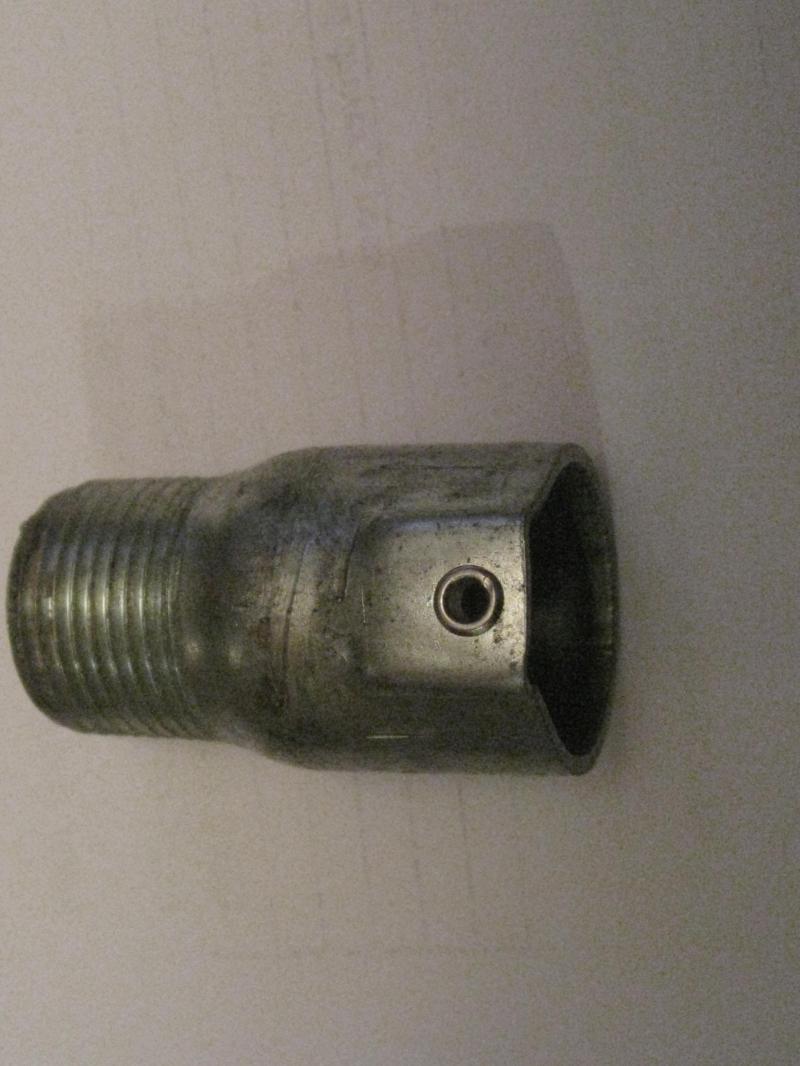
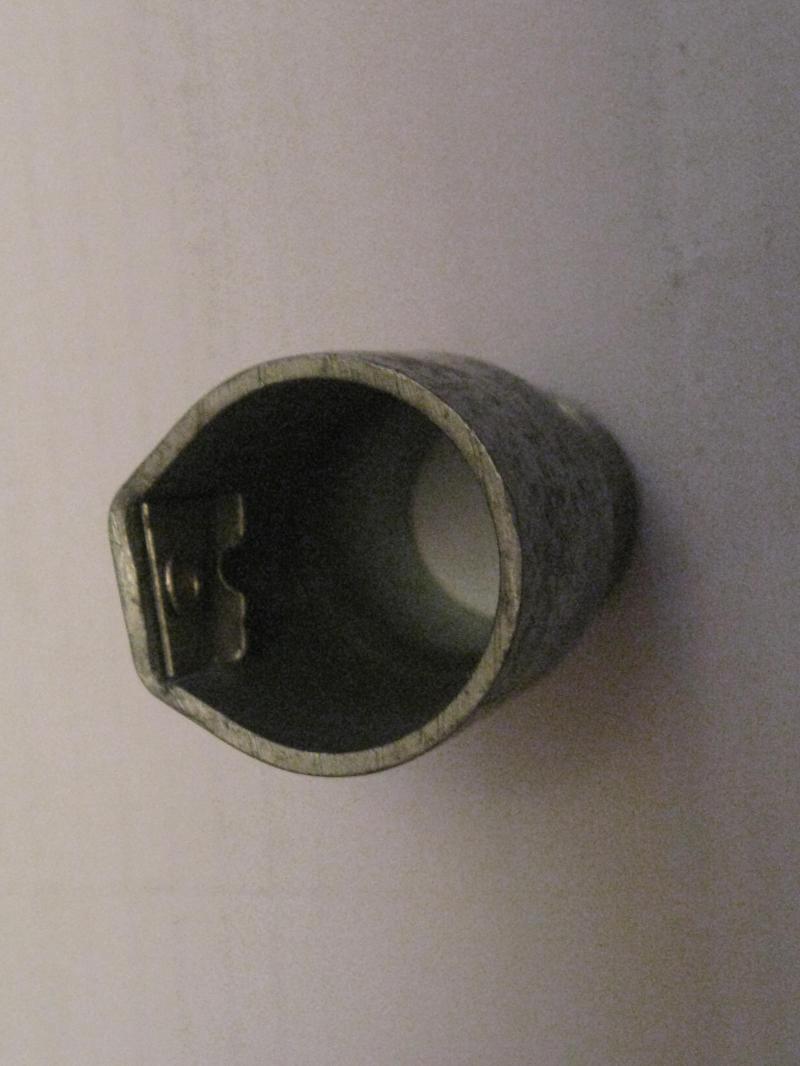
What's the contact area with traditionally threaded conduit?If that contact area was poor or the torque not great enough, continuity may not be satisfactory.

If you need to find a tradesperson to get your job done, please try our local search below, or if you are doing it yourself you can find suppliers local to you.
Select the supplier or trade you require, enter your location to begin your search.
Are you a trade or supplier? You can create your listing free at DIYnot Local