No, the article doesn't actually say that.
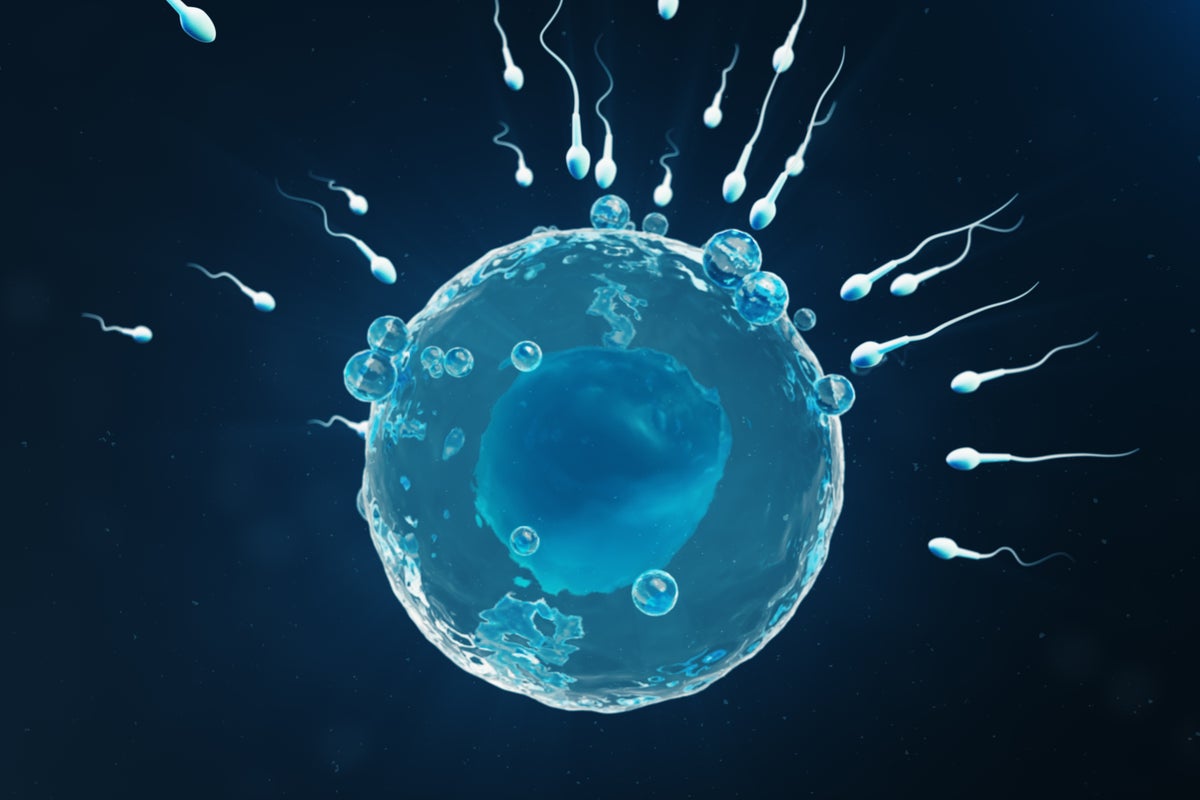
It says that there are two types of gametes (egg/sperm) which there are, but it doesn't go so far as to say that they can be used as a binary sex marker.
Which of course, they can't as some people produce neither, so that's immediately a 3rd category. Sometimes the absence of either is accompanied by ambiguous gonads. So is that a 4th category?
Some people produce both, so that's immediately a 4th/5th category.
Do you really not see? Even though there are only two types of gametes, they can't be used as a marker for a binary sex classification as there are 4 ways they can manifest in humans.
The article says that there are two types of sex hormones, androgens and estrogens (in vertebrates).
(Actually, there are also progestogens).
But yes, in many contexts, the two main classes of sex hormones are androgens and estrogens. And in general, androgens are considered "male sex hormones", since they have masculinising effects, while estrogens and progestogens are considered "female sex hormones".
The problem with trying to use those as a binary sex marker though is that all types are present in each sex at different levels.
So no - he doesn't claim that there are only 2 sexes, only that there are 2 types of some markers. As those don't present in a binary way, he couldn't make that claim.
Other critical sex markers beyond gametes and sex hormones include gonads, genitals, chromosomes, and secondary characteristics.
No sex marker, including gametes,
present as a sex binary.
Ova don’t make a woman, and sperm don’t make a man

www.scientificamerican.com
A recent Trump executive order defines sex based on gamete size. But the order oversimplifies genetics, hormones and reproductive biology.

www.sciencenews.org
By Darren Incorvaia
www.scientistafoundation.com